Concept: The Levenshtein distance measures the minimum number of single-character edits (insertions, deletions, substitutions) required to change one string into another.
Application in Claims Processing:
- Create a Suspicious Cause of Death List:
- Compile a list of known suspicious or potentially fraudulent “cause of death” terms.
- Examples: “accidental overdose,” “suspicious fall,” “unexplained death.”
- This list can be updated periodically based on industry trends and internal investigations.
- Calculate Levenshtein Distance:
- When a claim is submitted, calculate the Levenshtein distance between the reported “cause of death” and each term in the suspicious list.
- Set a Threshold:
- Define a threshold for the Levenshtein distance.
- For example, if the distance between the reported cause and a suspicious term is below a certain threshold (e.g., 1 or 2 edits), it flags the claim as potentially suspicious.
Example:
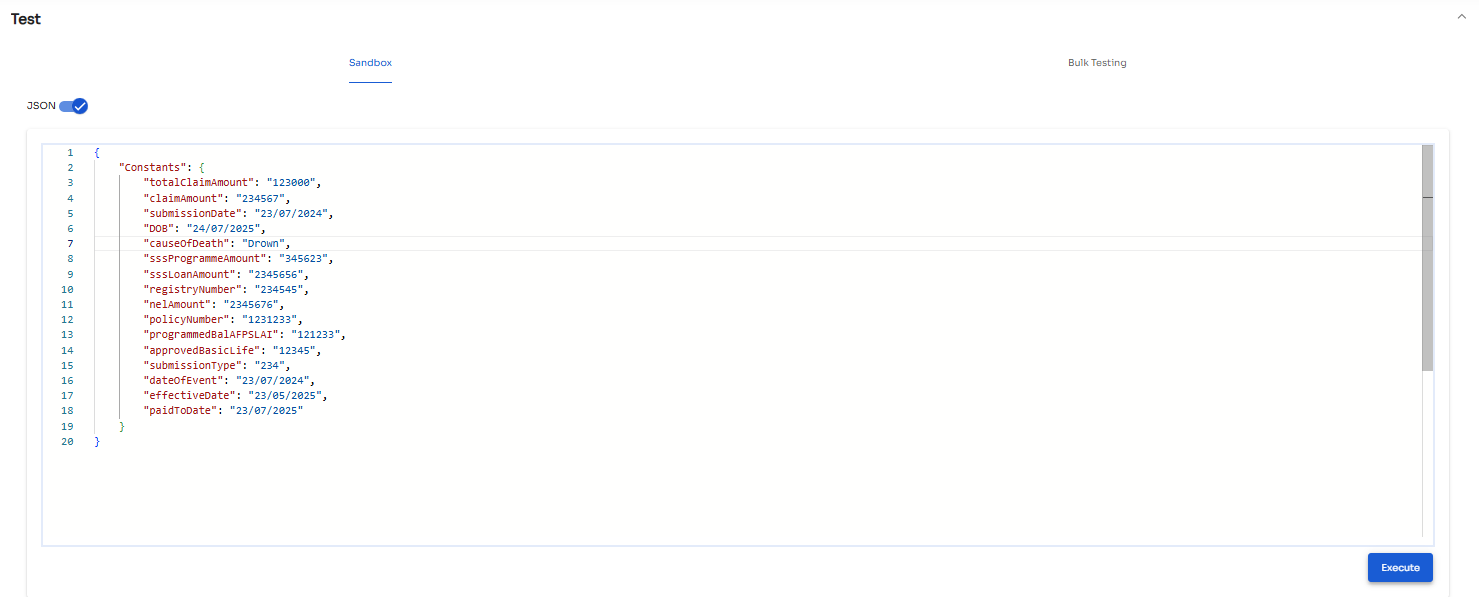
Reported Cause of Death: “Drown”
Suspicious Term: “Drowning”
Levenshtein Distance: 1 (only one edit required: add “ing”)
If the threshold is set to 1 or 2: The claim would be flagged as potentially suspicious.

Benefits:
- Identifies Minor Variations: Catches claims where the reported cause of death is slightly misspelled or abbreviated, which might otherwise be missed by simple string matching.
- Reduces False Positives: By setting an appropriate threshold, it minimizes the number of false positives that would arise from minor or insignificant variations in the reported cause.
- Improves Consistency: Helps ensure consistent data entry and reduces ambiguity in the reported cause of death.
Important Considerations:
- Contextual Analysis: While Levenshtein distance provides a valuable signal, it should not be the sole determinant of suspicion.
- Human Review: Claims flagged by the Levenshtein rule should be reviewed by human experts to confirm or dismiss the suspicion.
- Continuous Monitoring: The suspicious term list and the Levenshtein distance threshold should be regularly reviewed and adjusted based on the performance of the system and emerging trends.
By incorporating the Levenshtein distance rule into the claims assessment process, insurance companies can significantly enhance their ability to detect potential fraud and improve the overall accuracy and integrity of their claims data.